


Stakeholder engagement activities by priority groups
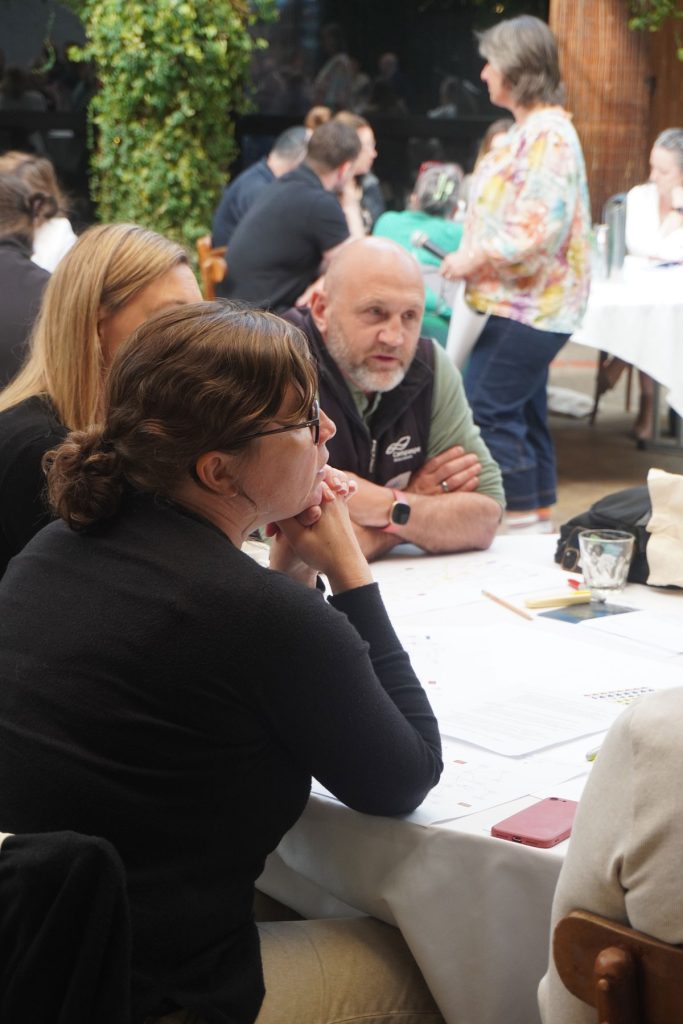
ARC Justice works with communities across northern and central Victoria, building relationships that help create stronger, more resilient and fairer places. Our engagement work is grounded in being present in communities, listening to what matters to people and understanding where we can add value.
By tracking our relationships and engagement activities, we can see which communities we are connecting with, where partnerships are deepening and where more work is needed. This keeps us accountable for reaching all parts of our region and meeting people where they live.
Engagement has grown significantly this year, with a total of 461 activities recorded (an increase from 191 in 2023/24), as we strengthened relationships across our 13 local government areas.
Statewide organisations now feature more strongly in our data, reflecting our increasing role as a sector leader and our growing presence across the broader social services system.
Lower engagement in some areas is also shaping decisions.
Reaching communities that are harder to engage – including First Nations, migrant and refugee communities and LGBTIQA+ groups – is a priority for 2026. This is helping us shift from reactive outreach to planned, targeted engagement that reflects local needs.
A major highlight this year has been progress across our three health justice partnerships. Consistent work by leadership and project teams is now delivering stronger collaboration, increased service activity and better client outcomes. These partnerships show how integrated work with trusted local organisations can create earlier, more effective pathways to legal help.
Our climate justice work also expanded with the commencement of a Climate Justice Lead in October 2024. This role has helped shift post-disaster collaboration from immediate recovery to long-term, community-led resilience.
Following the 2022 floods, ARC Justice partnered with Jesuit Social Services’ Centre for Just Places and the Federation of Community Legal Centres to advance the Campaspe Climate Partnerships.
More than 40 local health and community sector representatives have now contributed to a shared action process. The project continues, with a community-driven Action Plan to be developed in 2026.
By building strong relationships and working alongside local organisations, ARC Justice is helping communities identify their priorities and shape the solutions that support fairness, resilience and better long-term outcomes.
For communities to be fairer, people must know their rights and how to use them and reaching them with clear, localised communication is key to that goal.
By improving how we communicate, we make our services easier to find, understand and use – and we’re already seeing results.
Heat map showing services by local government area
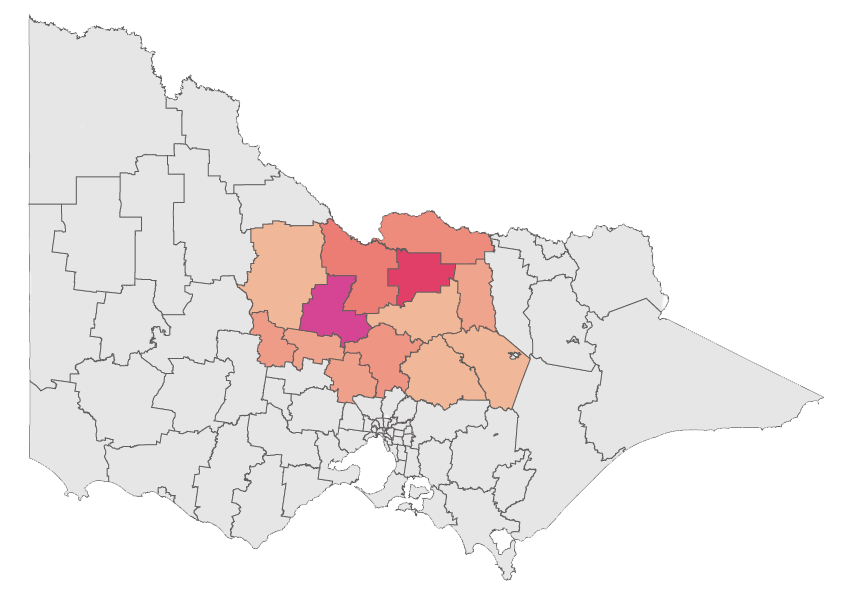
By comparing our service data with population data across our region, we can see where our services are being used and where gaps remain. This data also shapes our communications, helping us reach under-served towns and highlight local issues in regional and national media.
The client-to-population data shows our ‘One ARC’ approach is working. Teams in Bendigo and Shepparton are working together more closely and shared systems mean people in both areas are getting fairer access to help. Clearer, more co-ordinated messaging across our services has strengthened this connection.
Our strong results in the Murray region reflect ongoing work with the Centre for Non-Violence in Echuca. This supports our belief that when you know a community well, people are more likely to seek legal help.
Recent media coverage of our work on housing, renters’ rights and climate disaster recovery has extended that local trust and placed regional perspectives in state and national conversations.
In contrast, the Goldfields region has a lower service rate overall, but Central Goldfields alone records 76 clients per 10,000 residents.
Macedon Ranges and Mount Alexander have fewer areas of economic disadvantage, showing we’re reaching the people most in need. The data also confirms that having a local, place-based presence – beyond court duty work – makes services more accessible.
Localised communications have helped drive real service outcomes, with strong attendance at fines clinics, community events and education sessions. We still need to build our presence in under-serviced areas, including Shepparton, Seymour and nearby towns.
Our new 2025–2029 Communications Strategy supports this work, helping us move from reactive to planned communication. It’s already lifting our visibility within the sector and prompting greater collaboration with partner community legal centres, who are now cross-promoting our campaigns and policy advocacy.
Using a simple measure of impact – Focus + Action = Outcome – the strategy reinforces that clear, co-ordinated communication doesn’t just inform people; it expands our reach and strengthens fairness across regional Victoria.