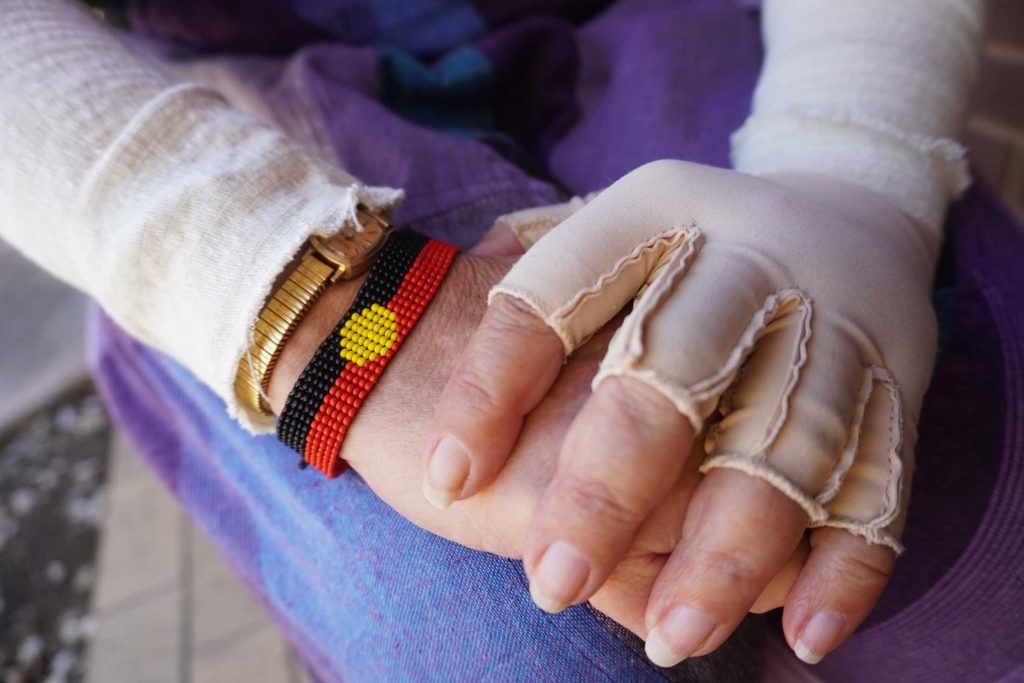
At 65, Lydia* was discharged from hospital after surgery into homelessness, with no belongings and no will to go on. A First Nations woman who had survived decades of family violence, addiction and poverty, she told staff at the Bendigo hospital there was “no future, really”.
Then came a phone call that changed her path: she had been allocated a one-bedroom public housing unit in Kangaroo Flat.
But instead of hope, Lydia felt fear. She had no furniture, no food and no reason to keep living. She planned to return to the unit, lie down in the hospital bed being moved there for her and stop eating or drinking.
Before she was discharged, Lydia was referred to ARC Justice’s Housing Justice team, giving her access to timely, practical support without needing to navigate complex systems or advocate for herself.
With Tenancy Plus brokerage funds, Housing Justice helped turn her empty unit into a safe, comfortable home. Lydia received essential appliances, new linen, cookware and food. Staff also made sure she had the specific fruit juice she relied on to manage her eating disorder, restoring both dignity and stability.